Updated July 2026.
To choose a decorative vase, start with its intended use: a full bouquet, a few stems, or a sculptural object to display alone. A wide neck accommodates a generous bouquet, while a narrow neck enhances three flowers. For proportions, aim for flowers one and a half to twice the height of the vase, and group your vases in odd numbers for a natural effect.
Choosing the right size and neck
Before color or material, two criteria determine a vase's appearance: its size and the opening of its neck. They dictate what you can put in it:
- The large floor vase (from 40 cm) is placed directly on the floor, near a sofa or entrance, with branches or pampas grass.
- The table or console vase (15 to 30 cm) is the most versatile: market bouquet, dried flowers, or a single stem.
- A wide neck allows a full, cascading bouquet to flourish, while a narrow neck keeps stems upright and highlights a few flowers.
A small 12 cm vase and a 26 cm totem vase tell different stories: the first punctuates a shelf, the second structures a console.

Ceramic, stoneware or glass: which material?
The material changes both the style and the maintenance. Three main families share our vases and ceramics:
- Ceramic and stoneware, being opaque, hide water and stems: perfect for a slightly disheveled bouquet or for remaining empty, as a sculptural piece. Matte and textured finishes add beautiful depth.
- Glass, being transparent, shows water and stems: very elegant with a few graphic flowers, provided the water is kept clear and the glass clean.
- Fluted, ribbed, or enameled finishes catch the light and add dimension, even without a single flower.
The rule of proportions
A successful bouquet relies on a simple balance between the vase and the flowers. Keep these guidelines in mind when arranging:
- The height of the flowers should be one and a half to two times the height of the vase. A 20 cm vase can therefore accommodate stems of approximately 30 to 40 cm.
- The width of the bouquet benefits from staying close to one and a half times the width of the vase, for a balanced silhouette.
- An odd number of stems (3, 5, 7) always yields a more natural result than an even number.
These proportions also apply to dried flowers and branches, which last much longer than a fresh bouquet.

Grouping vases for a beautiful effect
A single vase decorates, a group of vases creates a true scene. To avoid a rigid, aligned effect:
- Group them in odd numbers, three or five, varying heights to create rhythm.
- Mix materials and finishes, a matte stoneware next to a smooth glass, while maintaining a common color theme.
- Place the group on a tray or console to visually anchor it and make cleaning easier.
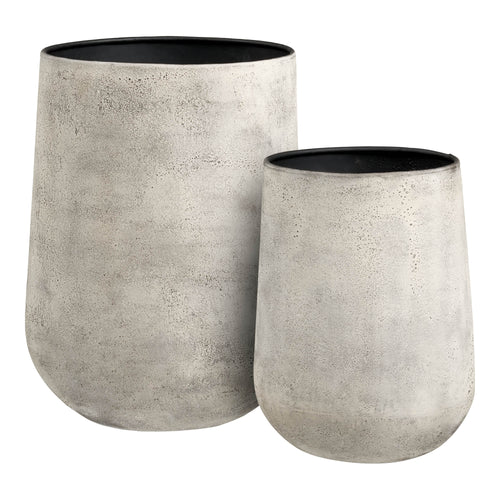
The trio of different heights, from largest to smallest, remains a safe bet for a coffee table or a sideboard.
Where to place your vases, room by room
The same vase plays a different role depending on its location. Some placement ideas:
- On the coffee table: a low, wide vase, in a trio with a candle and a book, without obstructing the view.
- On the entryway console: a medium vase with a few branches, for a refined welcome.
- On the dining table: a low vase under 30 cm, so guests can see each other from end to end.
- On a shelf or sideboard: empty sculptural vases, treated as objects in their own right.
Also consider dried flowers or artificial stems for hard-to-reach places: the effect lasts, with no maintenance required.
Fenalor's advice: First choose the vase for itself, as a decorative object, before thinking about the flowers. A beautiful vase dresses up a shelf all year round, empty nine months out of twelve, and fills up with the seasons.

Caring for your vase and making a bouquet last
A bouquet lasts significantly longer with three simple steps. Recut the stems diagonally by 2 to 3 cm, under water if possible, to reopen the channels that absorb water. Always remove any leaves that would be submerged in the vase: these ferment and cloud the water within two days. Then change the water every two days, rinsing the vase each time. For the vase itself, the white limescale deposit that forms at the bottom can be easily removed: pour in a handful of coarse salt and a little white vinegar, shake, let sit for an hour, then rinse. For a neck too narrow for your hand, some dry rice can replace a sponge. Be careful with unglazed stoneware on the inside, which can seep and stain furniture: insert a glass or glass bottle rather than pouring water directly. Our vases and ceramics specify this finish, and for a vase placed high up, artificial stems require no maintenance.
Frequently Asked Questions
What size flowers for what vase?
Aim for flowers one and a half to two times the height of the vase. A 20 cm vase can accommodate stems approximately 30 to 40 cm long. This balance prevents the bouquet from looking too short and squat, or too tall and unstable. The width of the bouquet should also be balanced with that of the vase.
Do you always have to put flowers in a vase?
No, a beautiful vase can stand on its own. Sculptural models in stoneware or matte ceramic can be displayed empty, as decorative objects in their own right. This is even the most sustainable solution: no watering, no need to replace flowers, an effect that lasts all year on a shelf or console.
How to arrange several vases together?
Group them in odd numbers, three or five, varying heights and materials while maintaining a common color theme. Place the group on a tray or console to anchor it. A trio of decreasing heights remains the safest arrangement for a coffee table.
Which vase for a dining table?
Choose a low vase, less than 30 cm, so that guests can see and talk to each other without obstruction. A wide vase filled with a few flowers, or a small arrangement, is sufficient. For a large table, arrange three small vases rather than a single large central bouquet.
Want to find yours? Discover our vases and ceramics, all of our decoration and our plants and flowers. To go further, get inspired by the art of creating a beautiful coffee table. And to integrate your vases into the rest of the decor without overcrowding, follow our guide on accessorizing a room with decorative objects.