Updated July 2026.
To illuminate an entryway and a hallway, combine general lighting (ceiling light or pendant) and wall sconces distributed along the wall. Place the center of the sconces approximately 160 cm from the floor, spaced 2 to 3 meters apart, and choose a warm white light of 2700 to 3000 Kelvin for a welcoming atmosphere.
The Entryway: Making a Great First Impression
The entryway is the first room seen upon entering, and often the most neglected in terms of lighting. A simple ceiling light is rarely enough to make it welcoming. The ideal solution: general lighting (a ceiling light or small pendant) paired with a softer source, a wall sconce or a lamp placed on a console, in warm white, which immediately warms the space.

Wall Sconces: The Right Height and Spacing
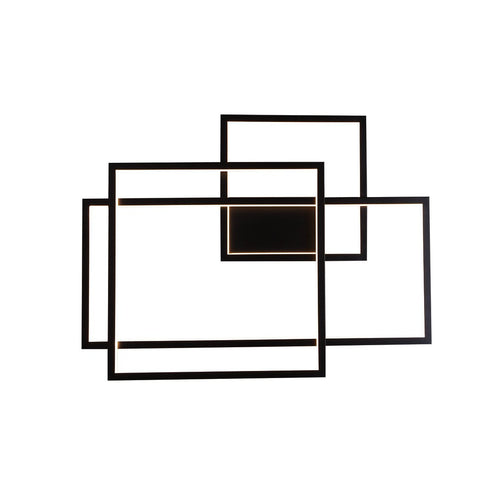
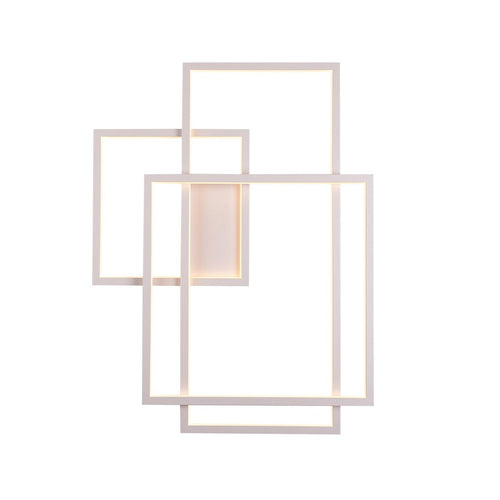
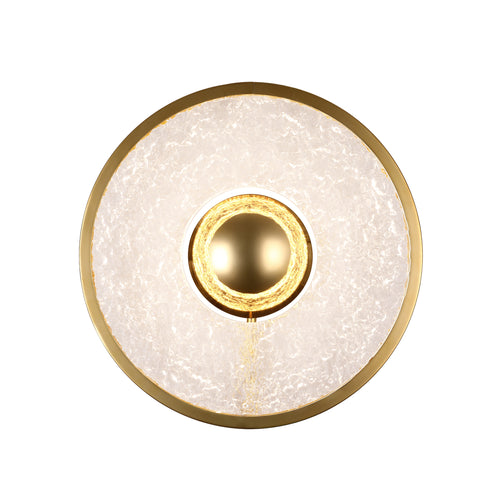
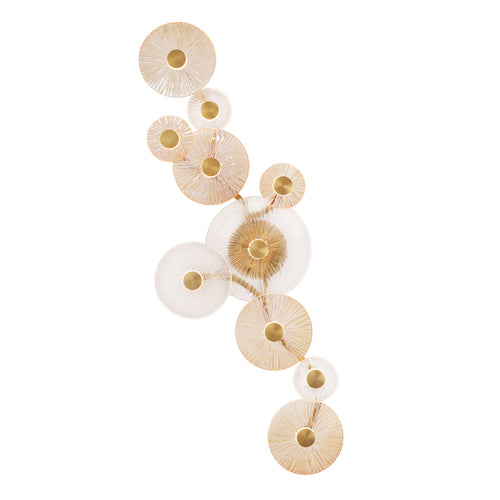
Sconces are allies for narrow entryways and hallways: they illuminate without obstructing passage. Two guidelines to remember for installation: the center of the sconce should be placed approximately 160 cm from the floor, at eye level, and they should be spaced 2 to 3 meters apart along a hallway to create rhythmic lighting without leaving dark spots. To choose the right model, see our guide on how to choose a wall sconce and where to place it.

The Hallway: Creating Rhythm Without Glare
A hallway benefits from being lit by several regular points rather than a single source at one end. Spaced sconces, recessed spotlights, or a series of small pendants distribute light and create an impression of depth. Opt for models that diffuse light upwards and downwards, or frosted glass, to avoid glare in a narrow space.
A Mirror and Low Lighting for the Entryway
Above an entryway mirror, one or two sconces at face height illuminate without shadows for a last look before heading out. Add a small table lamp on the console: this low, warm light source, left on permanently, transforms the welcome and avoids relying solely on the ceiling light.
The Summary Table
| Area | Recommended Lighting | Guideline |
|---|---|---|
| Entryway | Ceiling light or pendant and a sconce | Pendant at least 210 cm from the floor |
| Hallway | Regular sconces or spotlights | Sconce at 160 cm, every 2 to 3 m |
| Above a mirror | One or two sconces | At face height |
| Welcoming Ambiance | Small lamp on console | Warm white, 2700 K |
Fenalor's Tip: In an entryway or hallway often traversed at night, a motion sensor or a low night light prevents having to turn on the bright ceiling light. Comfort and softness are ensured, without fumbling for the switch.
Lighting a Staircase and Landing Safely
The staircase is the most delicate point of an entryway, as height is no longer measured from the floor but from the stair nosing. Maintain at least 210 cm between each step and the bottom of the light fixture: a long-cord pendant light installed in a stairwell should therefore be adjusted to the highest step, not the bottom landing. If you prefer sconces, place one every four to five steps, approximately 160 cm above the stair nosing, directing the light towards the wall rather than into the eyes of the person ascending. The command system should not be overlooked: a staircase requires a two-way switch, with one switch at the top and one at the bottom. No one should have to go up or down in the dark to turn off the light. A low night light along the first step usefully complements the setup.
What Intensity for an Entryway and Hallway?
An entryway that is too brightly lit is as unpleasant as a dark entryway: one spends only a few seconds there, and the eye doesn't have time to adjust. As a guide, aim for approximately 100 to 150 lumens per square meter in an entryway, and 75 to 100 in a hallway, which is merely a transit area. Specifically, a 4 m² entryway can be adequately lit with 400 to 600 lumens total, distributed among two or three sources rather than concentrated in a single ceiling light. A 6-meter by 1-meter hallway requires around 500 lumens, which means two to three modest sconces. This distribution matters more than raw power: several weak points create a pleasant rhythm, whereas a single, strong source overwhelms the space and dazzles the person arriving. This is precisely the pitfall described in our guide on common lighting mistakes.
Frequently Asked Questions
At what height should a sconce be placed in a hallway?
Place the center of the sconce approximately 160 cm from the floor, at eye level. Along a hallway, space the sconces 2 to 3 meters apart to distribute light without leaving dark areas between two points.
How to light an entryway without a ceiling light?
Combine wall sconces and a table lamp on the console, all in warm white. These low sources are sufficient to create a warm welcome and provide enough light to get ready, without relying on a ceiling light fixture.
What light temperature for an entryway?
A warm white around 2700 to 3000 Kelvin, which warms the space and makes the welcome pleasant. Reserve more neutral whites for functional rooms; the entryway, however, benefits from remaining soft and enveloping from the moment you step through the door.
How to light a long and narrow hallway?
Multiply regular light points rather than a single source: spaced sconces, recessed spotlights, or aligned small pendants. This distribution creates light rhythm and depth, while frosted glass prevents glare in a confined space.
To light your entryway, explore our wall sconces and the entire lighting collection from Fenalor.