Updated July 2026.
To choose a bench, start with its placement and intended use. Aim for a seat height of 45 to 48 cm for effortless sitting or putting on shoes, a depth of 30 to 40 cm, and a length that matches the wall or the foot of the bed. A storage bench adds extra storage, while the material defines the style.
Where to place a bench in the house?
The bench is undoubtedly the most versatile piece of furniture in the house: a simple long seat that fits almost anywhere. Depending on the room, it serves a different purpose:
- In the entryway: for sitting down to put on shoes, placing a bag upon returning home, or sliding baskets underneath. Under a coat rack, it creates a real coat area.
- At the foot of the bed: at the end of the bed, it holds the evening throw, the day's clothes, and defines the bedroom.
- In the dining room: in place of chairs on one side of the table, it saves space and slides completely underneath.
- In the living room: as extra seating when entertaining, or along a wall for placing books and objects.

The right dimensions for a bench
A comfortable bench is primarily a bench at the right height, like a chair. These measurements serve as a guide before purchase:
| Reference | Recommended value | Why |
|---|---|---|
| Seat height | 45 to 48 cm | To sit and stand up like on a chair |
| Seat depth | 30 to 40 cm | Enough to sit, thin enough not to obstruct passage |
| Length | 90 to 120 cm | 90 cm for two seats, 120 cm for two to three |
| Clearance in front | At least 60 to 70 cm | To move around and stand up without bumping into things |
At the foot of the bed, adjust the length to the width of the bed: a bench of 100 to 120 cm goes well with a 140 to 160 cm bed, without extending beyond each side.

Simple bench, storage bench, or shelf bench?
Three types of benches cater to three different needs:
- The simple bench: lightweight and minimalist, it can be moved from one room to another and remains discreet. Perfect as extra seating or at the end of the bed.
- The storage bench: its seat lifts up on a gas spring lid, revealing a significant closed storage volume. Ideal for linens in the bedroom or shoes in the entryway.
- The shelf bench: one or two low shelves accommodate visible baskets and shoes, creating an organized cloakroom feel.
What material and style to choose?
The material determines the style, comfort, and maintenance:
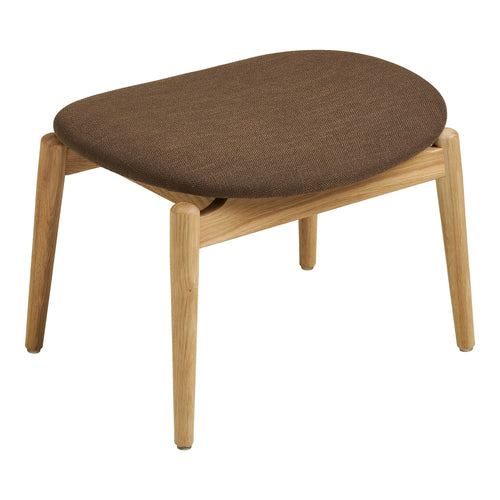
- Solid wood and teak: warm and robust, they develop a patina over time and withstand the traffic of an entryway.
- Velvet and bouclé: a soft upholstered seat, rather reserved for the bedroom and living room. Choose treated fabric if the bench is used daily.
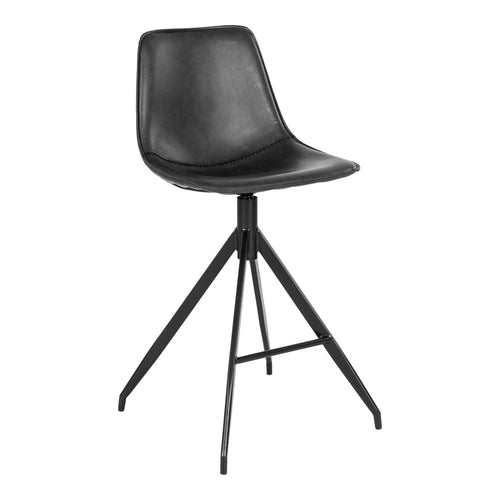
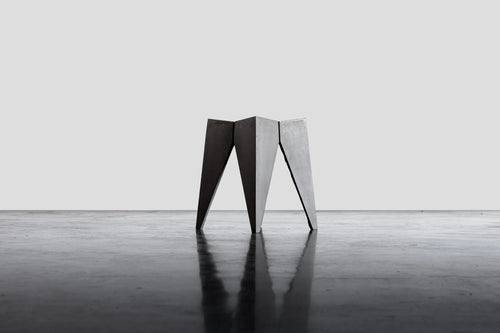
- Black metal: a graphic and contemporary line, often associated with a low shelf for the entryway.
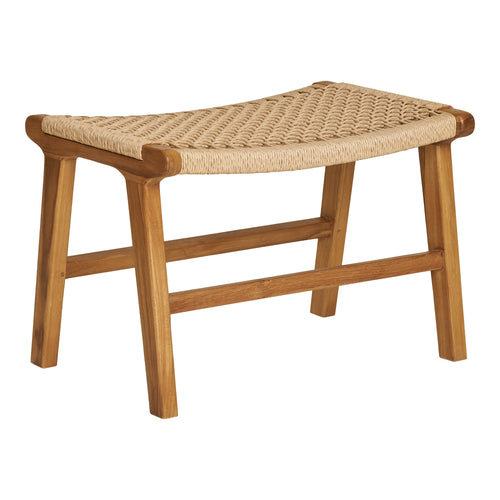
- Natural fibers: paper cord or woven cane, light and airy, for a natural touch.

The entryway bench and the end-of-bed bench, two special cases
These two locations have their own rules. In an entryway, prioritize a narrow bench, 30 to 35 cm deep, to avoid narrowing the passage, and place it against the wall, under coat hooks or a mirror. In the bedroom, choose the bench length according to the bed width and a height close to that of the bed base, so it blends into the composition. If you're furnishing an entryway, our guide on how to choose an entryway console complements this reflection well.
Fenalor's tip: Measure the width of the passage before the depth of the bench. In a narrow entryway, a slim, clear bench is better than a deep model that you bump into every morning with your arms full.
Sturdiness, load capacity, and stability: what to look for
A bench supports two to three people sitting at once, often children who plop down on it: its structure is as important as its style. Check the maximum load capacity announced by the manufacturer, aiming for at least 100 to 150 kg for a 90 to 120 cm model. Beyond a meter in length, a bench without central legs or a lower crossbar will eventually sag: look for a stretcher connecting the legs, or a top at least 3 cm thick in solid wood. On a storage bench, check for gas springs or soft-close hinges, which prevent the lid from falling on fingers, and the solidity of the hardware, the main point of weakness with use. Finally, look at the glides under the feet: a few millimeters of felt protect a parquet floor and compensate for slight unevenness. Find our stools and benches, each product sheet specifies these characteristics.
Dressing up a bench to make it comfortable
A wooden or metal seat is beautiful, but rarely comfortable for more than a few minutes. A rectangular cushion, 4 to 6 cm thick, is enough to change its use, provided it's slightly shorter than the bench, about 5 cm less on each side, so it doesn't overhang. Prefer a cushion with ties or an anti-slip strip, otherwise it will slide every time you sit down. Then add one or two cushions placed at one end rather than in the center: the bench remains usable and adds a splash of color. At the end of a bed, a throw draped diagonally from a corner extends the bedding without making it look heavy. However, keep one simple rule: an entryway bench should remain free for sitting with shoes on, while a bedroom bench can be dressed up more. Our guide on how to dress up your seating details the formats.
Frequently Asked Questions
What height for a bench?
Count 45 to 48 cm for the seat height, like a chair. This is the right measurement for sitting, putting on shoes, and standing up effortlessly. An end-of-bed bench can be a little lower to stay below the mattress height and blend into the bedroom.
What length of bench at the foot of the bed?
Match the bench length to the bed width: about 100 to 120 cm for a 140 to 160 cm bed. The bench should not extend beyond each side of the bed. Ideally, it should occupy approximately the width of the mattress, no more.
Is a storage bench really practical?
Yes, it's two pieces of furniture in one: a seat and closed storage. Its lid, often mounted on gas springs, opens smoothly and conceals linens, throws, or shoes. It saves valuable space in an entryway or bedroom where space is limited.
Where to place a bench in an entryway?
Against a clear wall, ideally under coat hooks or a mirror, with a depth of 30 to 35 cm to avoid obstructing passage. Maintain at least 60 cm of clearance in front. A model with a low shelf allows you to store baskets and shoes right underneath.
To find yours, browse our selection of stools and benches, our entryway universe, and our dining room. In the bedroom, also consider creating a soothing bedroom.