Updated July 2026.
To make a small room feel larger, opt for light and bright colors, such as off-white, pale gray, or cool pastels, which reflect light and push back the walls. A tone-on-tone color scheme, a light ceiling, and a large mirror further enhance the sense of space and depth.
Why color makes a room feel larger or smaller
A light color reflects light, making the walls seem to recede: the room appears more expansive and airier. Conversely, a dark or highly saturated shade absorbs light and visually brings surfaces closer, which warms but tightens the space. In a small room, using light with color is one of the most effective levers.

Colors that enlarge a room
Some color families work particularly well to open up a space:
- Whites and off-whites: The safest base, they lighten and reflect light maximally.
- Pale grays and greiges: They gently enlarge while warming the atmosphere.
- Light cool tones, such as pale blue or sage green: They visually recede and create depth.
- Powdered pastels: Rose, linen, sand, they open up the room without cooling it down.
Monochromatic and tone-on-tone schemes
The secret to interiors that appear larger than they are is often a tone-on-tone scheme. By keeping the walls, baseboards, and sometimes the ceiling in the same light shade, visual breaks are eliminated: the gaze glides without hitting an edge. A monochrome of beiges, grays, or off-whites thus creates a continuous envelope that pushes the boundaries of the room.

Ceiling, floors, and walls: play on continuity
Color doesn't stop at the walls. Three key strategies enlarge the overall space:
- A light ceiling, paler than the walls, increases the perceived height of the room.
- Baseboards the same color as the walls: Painted in the same shade, they extend the walls instead of breaking them up.
- A light and continuous floor: A uniform shade from one room to another avoids breaks and makes the space flow.
Light and finishes: the winning duo
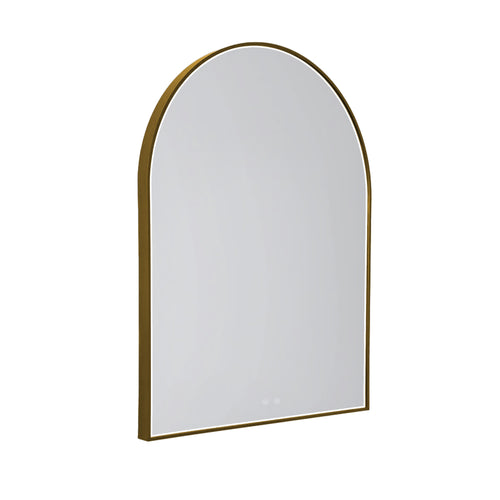
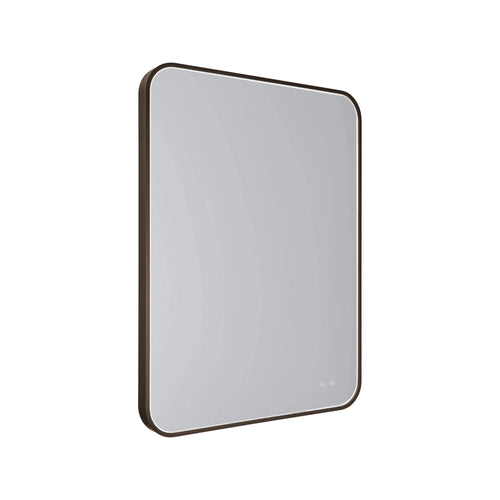
Color fully expresses itself with light. A slightly satin finish on the walls reflects more than a deep matte and amplifies brightness. Crucially, a large mirror placed opposite a window reflects daylight and doubles the sense of space: it's the ideal complement to a light palette. Also, multiply low light sources to avoid dark corners, which make a room feel smaller.

The color chart and their effect
| Shade | Effect on space |
|---|---|
| White and off-white | Enlarges and brightens maximally |
| Light gray, greige | Gently enlarges, warmer |
| Pale blue, sage green | Recede, create depth |
| Powdered pastels | Open up without cooling |
| Dark or vibrant colors | Tighten: to be used in touches |
Fenalor's tip: A small, light-colored room isn't a bland room. Keep a light base on large surfaces, then dare to use a deeper shade in small touches, on a cushion, a vase, or a chair. Controlled contrast adds character without shrinking the space. Find items to compose it in our decoration section.
LRV, the number that truly indicates if a color brightens
Two off-whites can behave very differently on a wall, and one number predicts it: LRV, for light reflectance value. It ranges from 0 to 100, with 0 being absolute black and 100 perfect white, and most paint manufacturers publish it on their color charts or technical data sheets. In a small room, aim for an LRV of at least 70 on large surfaces: above this threshold, the shade reflects enough light to push back the walls. Pure white is around 90, a warm off-white around 80, a light greige around 60 to 70, a medium gray around 40. Below 50, the color absorbs more than it reflects and visibly closes in the space. This number is a better indicator than the impression given by a color swatch.
Furniture matters as much as paint
A light palette cannot compensate for poorly chosen furniture. Three concrete strategies create apparent square footage. First, prioritize low furniture: below 80 cm in height, they clear the upper part of the walls and allow the gaze to flow, whereas a full-height bookshelf can overpower the room. Next, look for exposed legs: a sofa, console, or furniture on slender feet allows the floor to be seen underneath, and a continuous visible floor always enlarges. Finally, play with transparency and reflection, with a glass top, slender metal legs, or a caned seat, which occupy the space without blocking it. A final, often overlooked point: leave 5 to 10 cm between furniture and walls, as furniture pushed against walls paradoxically gives an impression of clutter. Our furniture and our selection for the living room include these lightweight formats.
Frequently Asked Questions
What is the best color to make a room look bigger?
Off-white remains the safest bet: it reflects light and pushes back the walls. For more warmth, a pale gray or greige also makes a room feel larger. Light cool shades, like pale blue or sage green, also add a sense of depth.
Should the ceiling in a small room be painted white?
A ceiling lighter than the walls increases perceived height, and white remains a safe choice. In a low room, painting the ceiling the same light shade as the walls, without a break, also helps to erase the boundary and stretch the volume upwards.
Does a dark color always make a room feel smaller?
Not systematically. A dark shade tightens the space, but when used well, it creates an enveloping depth and a cozy atmosphere. On a back wall or in touches, it adds character. In a very small, dimly lit room, however, it's better to reserve it for details.
How can I make a room look bigger without repainting everything?
Add a large mirror facing the light, lighten the curtains, choose low furniture, and a light accessory palette. Multiply light sources to eliminate dark corners. These actions create an immediate sense of space without touching the walls.
To create a light and airy room, explore our decoration, our mirrors, and our selection for the living room. To go further, also read how to arrange a small living room and how to combine colors and materials in a living room.