Updated July 2026.
To choose dining room chairs, first check the height: a seat at 45 to 48 cm leaves a space of 27 to 30 cm under a 75 cm table. Allow a width of 45 to 50 cm per chair, choose a durable material, and match the style to the table.
Seat height, the benchmark not to be missed
A comfortable chair is above all a chair at the right height in relation to the table. Most tables are 74 to 76 cm high, so a seat around 45 to 48 cm is needed to allow legs to slide under without bumping. These dimensions guarantee true comfort at the table:
| Benchmark | Recommended value | Why |
|---|---|---|
| Seat height | 45 to 48 cm | Matches a table of 74 to 76 cm |
| Seat-to-tabletop space | 27 to 30 cm | Comfortably fit thighs |
| Width per chair | 45 to 50 cm | Everyone has their place without touching |
| Seat depth | 45 to 50 cm | Supports thighs, back well supported |
If you prefer high tables or a bar-style counter, plan for correspondingly higher seating, always keeping the same gap of about thirty centimeters under the tabletop. For a bar counter or island, refer to our guide on bar stool height.

Chair, armchair, or dining armchair?
Three types of seating share the table, depending on the space and comfort desired:
- The classic chair: compact, lightweight, it slides completely under the table and is suitable for daily meals as well as large gatherings.
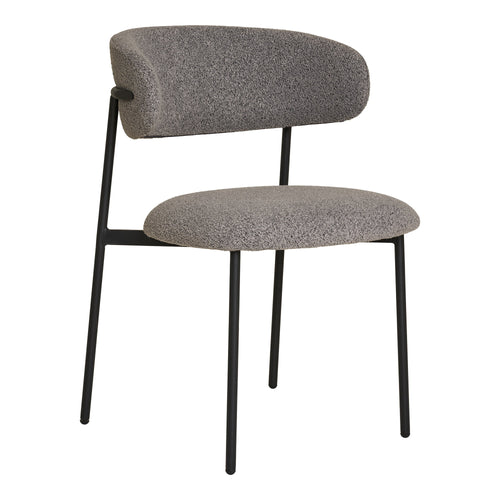
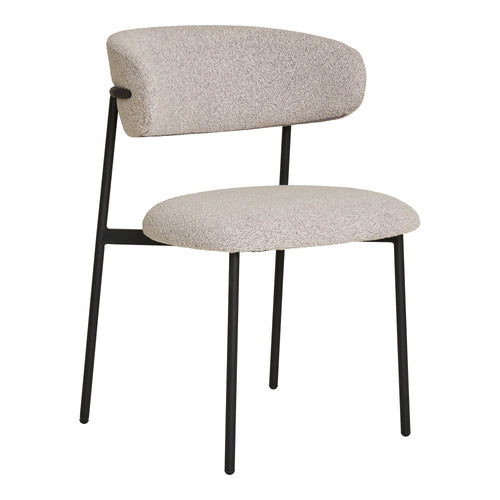
- The dining armchair: with its armrests and enveloping shell, it invites guests to linger. It requires a bit more width, around 55 to 60 cm per seat.
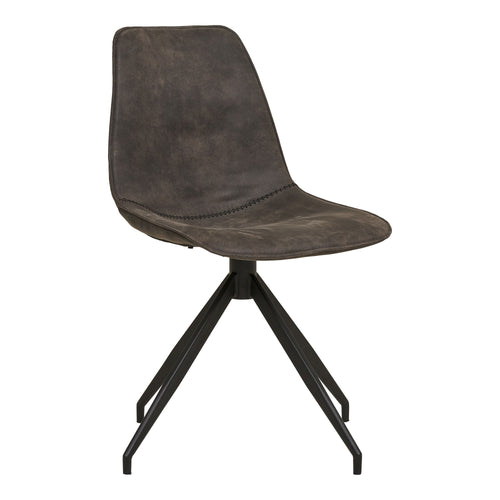
- The swivel model: practical for effortlessly getting in and out of the table, it adds a contemporary touch.

What material to choose?
The material determines comfort, style, and especially maintenance, a key point at the table:
- Wood and shell: robust and easy to wipe clean, perfect for daily use and families.
- Bouclé fabric and velvet: soft and warm, they dress up the table, but prefer a removable cover or stain-treated fabric.
- Leather and faux leather: elegant and very easy to clean with a wipe, they develop a patina over time.
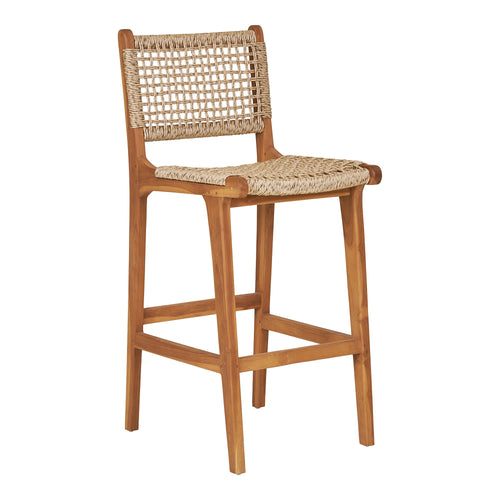
- Rattan and caning: light and airy, they bring a natural touch to the dining room.

Matching chairs to the table
Chairs and tables should complement each other, without necessarily being made of the same wood. Two approaches work:
- Tonal harmony: matching chairs, in a material similar to the table, for a calm and coherent look.
- Controlled contrast: chairs of a different color or material, provided there is a common element, such as black legs or wooden crossbars.
Fenalor's tip: there's no need to have six identical chairs. Two dining armchairs at the ends and simpler chairs on the sides create a lively table, provided there's a common thread of color or material. To save space on one side of the table, an indoor bench works just as well, respecting the same seat heights.
Real comfort: backrest, recline, and depth
A chair you leave after twenty minutes is not a good dining chair. Comfort depends on three dimensions rarely displayed. First, the backrest: allow 40 to 50 cm in height above the seat to support the lower back and shoulder blades, knowing that below 35 cm, support is lacking as soon as the meal stretches out. Next, the recline: a slightly reclined backrest, around 100 to 105 degrees from the seat, is more restful than a perfectly straight backrest, without causing you to slide forward. Finally, the depth: 45 to 50 cm allows you to support your back while keeping your feet flat on the floor. If you often host and meals are long, opt for a seat upholstered with at least 4 cm of foam or a curved shell, which is much more enveloping than a flat shell. Our seats cover both categories.
Protecting the floor and reducing noise
Six chairs pulled out three times a day represent thousands of movements per year: the floor feels it. On parquet or tile, equip each leg with a 3 to 5 mm felt pad, to be re-glued once or twice a year, or rubber caps for metal bases. These pads also absorb scraping, the main noise in a dining room. If the table is on a rug, choose a low pile weave of 6 to 10 mm maximum: beyond that, the feet sink in and the chair tilts slightly with each movement. Also, plan for a rug large enough so that the chairs remain on it when pulled back, meaning about 60 cm overhang around the table. Our tips for choosing a dining room rug detail these formats and the most resistant materials.
Frequently Asked Questions
What chair height for a 75 cm table?
For a table of 74 to 76 cm, choose a seat 45 to 48 cm high. This gap of about 30 cm between the seat and the tabletop allows you to slide your legs and eat comfortably. This is the standard height for most dining chairs.
What width to allow per chair at the table?
Allow 45 to 50 cm in width for a classic chair, and 55 to 60 cm for a dining armchair with armrests. This space prevents guests from bumping elbows. On a 160 cm table, you can comfortably seat three chairs on each side.
What chair material is easiest to maintain?
Wood, plastic shells, leather, and faux leather can be cleaned with a simple wipe, ideal with children. Bouclé fabrics and velvet are warmer but more delicate: choose removable covers or stain-treated options for serene daily use.
Should chairs match the table?
No, it's not mandatory. Tonal chairs create a calm ensemble, but a controlled contrast is just as elegant, provided there's a common element, such as black legs or a wooden top, to connect the seats to the table.
To find yours, browse our chairs, our dining armchairs, and remember to match their number to the size of your table.