Updated July 2026.
To choose a TV stand, start with two measurements: width, which should be at least as wide as the TV and ideally 20 to 30 cm wider on each side; and height, so that the center of the screen is at eye level when seated, around 100 cm from the floor. Storage and style come next.
Width: Wider than the screen
A well-proportioned TV stand should never appear narrower than the TV placed on it. The rule: choose one that is at least as wide as the screen, and if possible 20 to 30 cm wider on each side for a balanced look. Be aware that TV sizes are expressed in diagonal inches: one inch equals 2.54 cm, but it's the actual width that matters. A 55-inch screen is about 122 cm wide, not 140. Also measure the spread of the feet, which is often wider than the panel.

Height: Screen at eye level
Visual comfort depends on screen height. The ideal: the center of the image should be roughly at eye level when you're seated on the sofa, most often around 100 cm from the floor. A TV stand between 40 and 60 cm high suits most seating arrangements. Too high, the screen forces you to lift your head and strains your neck; too low, your gaze plunges and your back slumps. For viewing distance, allow about 2 to 3 meters between the sofa and a 55 to 65-inch screen.

Storage and cables
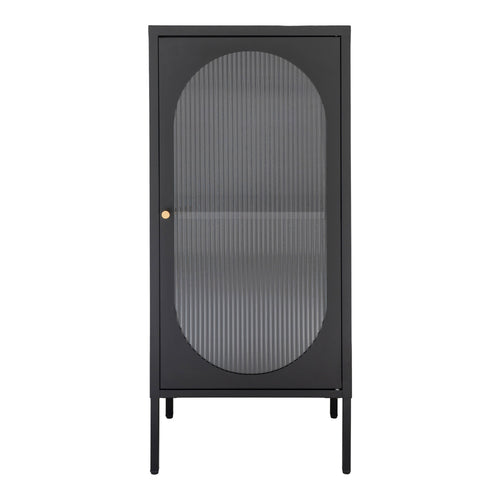
Under and around the TV, a media box, console, soundbar, and a tangle of wires can quickly accumulate. A good TV stand absorbs them: plan for drawers or doors to hide electronics, and an open back or cable pass-throughs to route wires. Glass doors allow remote control signals to pass through while concealing equipment. A power strip attached to the back of the unit prevents cables from hanging down to the outlet.

Style and material
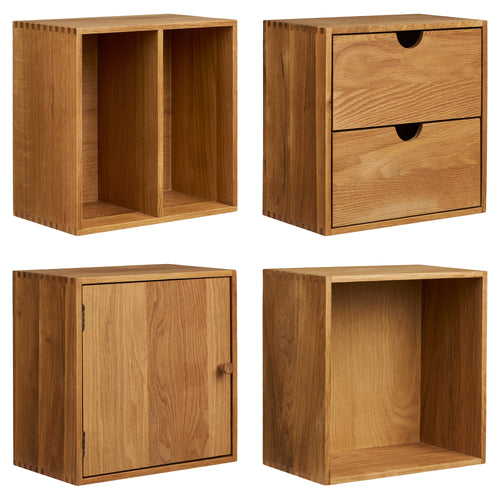
The TV stand occupies an entire section of the living room: it might as well serve the space well. Match its finish to the rest of your living room, echoing the wood of a coffee table or the black metal of a floor lamp. Light wood and fluting add warmth, black metal creates a contemporary line, and glass doors lighten an imposing model. Exposed legs elevate the unit and free up floor space, visually enlarging a small living room.
What width of furniture depending on screen size
| Screen diagonal | Screen width | Recommended furniture |
|---|---|---|
| 43 inches | approx. 96 cm | 120 cm or more |
| 55 inches | approx. 122 cm | 150 cm or more |
| 65 inches | approx. 144 cm | 180 cm or more |
Fenalor's tip: Measure the actual width of your television, including the feet, before buying. Many pieces of furniture look wide enough in the photo but leave the screen's feet hanging over the edge. A margin on each side always looks more elegant.
Depth, load, and ventilation
Two criteria are often overlooked and later regretted. First, depth: allow 40 to 45 cm to comfortably house a media box, console, and amplifier, compared to 30 to 35 cm for a purely decorative piece. A unit that is too shallow forces you to place devices at an angle or leaves cables trailing. Second, load: a 65-inch television weighs 20 to 30 kg depending on the model, plus the weight of devices and decorative items. Check the manufacturer's stated load capacity, especially for glass shelves or suspended tops. Finally, consider heat: a game console or amplifier enclosed without air circulation will overheat and be damaged. Leave at least 5 cm of clearance above and behind each device, and opt for a cabinet with an open back. Our storage solutions cover these formats.
Soundbar and decoder: organizing levels
As soon as a soundbar comes into play, the setup becomes more complex. The soundbar must remain in front of the screen without obscuring the bottom or the infrared sensor: plan for a clear shelf 10 to 12 cm high under the TV, or place it directly on the top if the screen is elevated by its feet. Check its length, usually 90 to 120 cm, which must be less than the screen's width for a cohesive look. Then, arrange devices by use: the decoder and console, often manipulated, in an accessible compartment; power and wires, never touched, in the closed bottom cabinet. Finally, keep one niche empty; it will accommodate the next device without having to rearrange everything. To dress up the rest of the wall, see our ideas for creating a gallery wall.
Frequently asked questions
What TV stand width for my television?
Choose a stand at least as wide as your television, and ideally 20 to 30 cm wider on each side for a balanced look. For a 55-inch screen, which is about 122 cm wide, aim for a stand of at least 150 cm. Measure the screen's feet, which are often wider apart than the panel.
How high should a TV stand be placed?
Adjust the height so that the center of the screen is roughly at eye level when seated, often around 100 cm from the floor. A stand 40 to 60 cm high is suitable for most sofas. Too high, the screen strains the neck; too low, the gaze plunges.
Freestanding or wall-mounted TV stand?
A freestanding unit is easy to move and offers floor-level storage. A suspended model clears the view and facilitates cleaning, but requires a solid wall and careful installation. In both cases, keep the center of the screen at eye level when seated for comfort.
How to hide TV stand cables?
Choose a unit with an open back or cable pass-throughs, and group the media box, console, and wires in a closed cabinet. Glass doors allow remote control signals to pass through while concealing electronics. A power strip attached to the back prevents dangling wires.
To find the right format, browse our selection of furniture and our living room universe. Complement the wall with well-arranged wall shelves, and if you're also furnishing the entrance, see how to choose an entrance console table. For low storage in the living room or dining room, compare with our guide on how to choose a sideboard or enfilade.